How to Identify and Date an Antique Apothecary Bottle
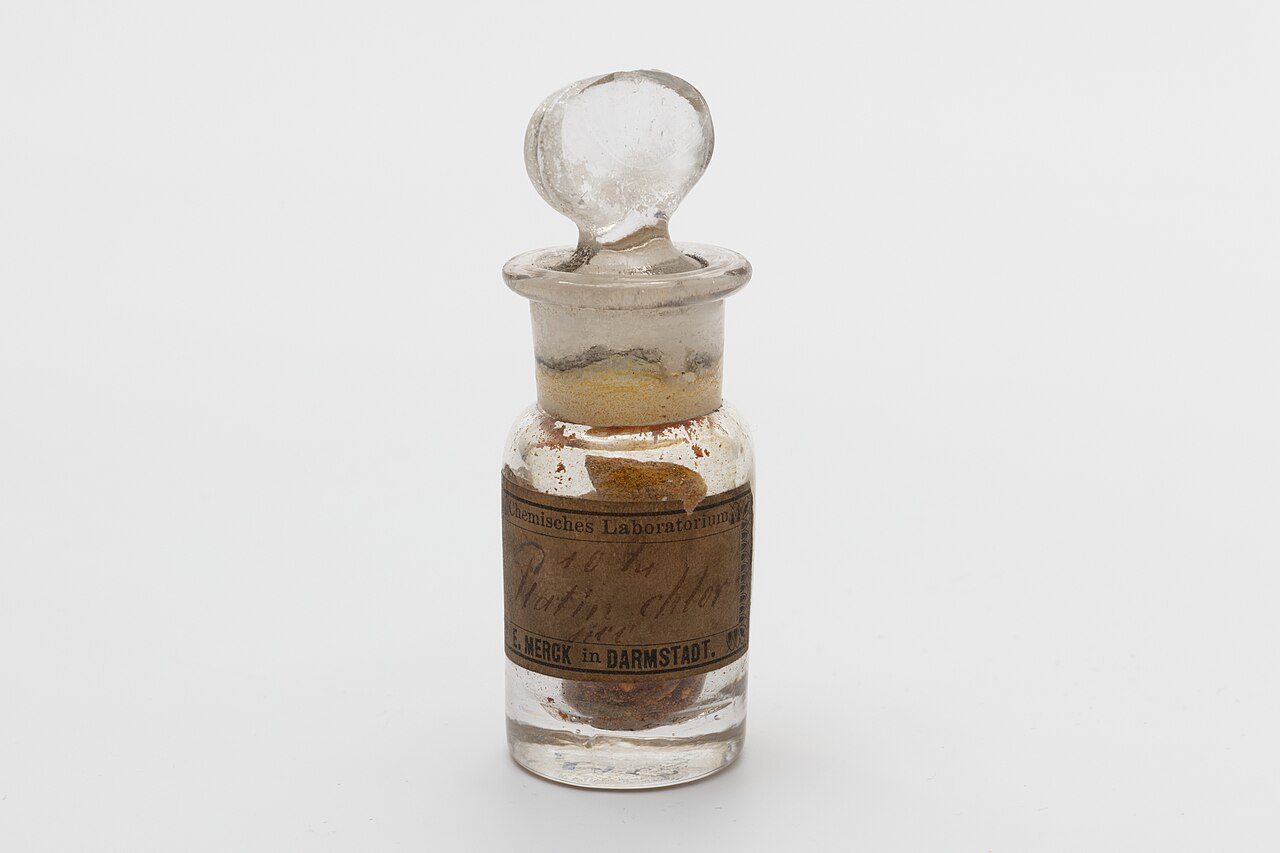

Old medicine bottles are among the easiest antiques to start collecting, and among the easiest to misjudge. Most dating clues come from how the glass was made, not from how old it looks.
1. Start with how it was made
- Hand-blown glass. Early bottles were blown by mouth. Expect uneven walls, small bubbles, and slightly irregular shapes. If there are mold seams, they usually fade out below the lip.
- Machine-made glass. As a general rule, a mold seam that runs all the way up through the lip points to an automatic bottle machine, which came into wide use in the early 1900s.
- The base. A rough scar or ring on the underside is a pontil mark, left when the bottle was held on a rod during finishing. Bottles with pontil scars are generally earlier, often mid-1800s or before. A smooth base with a mold seal is more common on later bottles.
2. Look at the color, but don't over-read it
Amber glass shielded light-sensitive contents. Cobalt blue and green were widely used for poison and warning bottles, and clear glass was common for pharmacy stock. Colour alone neither dates a bottle nor proves what it held. One caution: some old clear glass turns pale purple after long sun exposure, which collectors call sun-colored amethyst. That's a clue, not a fault.
3. Check embossing, labels and closures
- Embossing. Raised lettering usually names a product, pharmacist or town. A town name makes a bottle easier to research and often more collectible.
- Paper labels. Original labels add interest and value, so ask for close photos and look for tears, stains and later replacement labels.
- Closures. Cork stoppers, ground-glass stoppers fitted to one bottle, and early screw caps all help date it. A mismatched stopper is worth a question to the seller.
4. Judge condition honestly
Chips and cracks matter most. Cloudy interior haze, sometimes called sick glass, can come from long burial or old contents and is hard to remove. Avoid aggressive scrubbing, abrasives and dishwashers on anything old.
5. Patent medicine vs. pharmacy bottle
An NYU archive note says over 10,000 types of patent medicine bottles were produced in the U.S. and Canada between roughly 1850 and 1906. Many held alcohol-based tonics and some contained narcotics. Brands like Dr. Kilmer's Swamp Root are popular with collectors. Plain pharmacy bottles are usually the easiest and cheapest place to start.
Display only. Never taste or use the contents of antique medicines. If a bottle is still sealed, leave it closed and ask your local household hazardous waste program how to handle it if you need to dispose of it.
What to ask an eBay seller
- Photos of the base, the lip, and any seams, plus any embossing in raking light.
- Exact height, and whether the stopper or label is original.
- Any chips, cracks, hairlines or haze, and where the bottle was found.
- Whether shipping is padded and insured.
Where to browse
Search for antique apothecary bottles, cobalt poison bottles, or patent medicine bottles. Compare several sold listings before you bid. Back to the VintageMeds home page for more shelves to explore.
Affiliate links: I may earn a commission from eBay on qualifying purchases at no extra cost to you. This site is not affiliated with or endorsed by eBay Inc.
More guides
- Cobalt Blue Poison Bottles: How to Tell Old from ReproductionA practical guide to antique cobalt blue poison bottles: why they are blue, how to read seams, bases and embossing, and which signs point to a modern reproduction.